

Taste & learn
Know exactly what's in your bottle.
Every harvest is lab tested. Here are the real numbers, what they mean, and how to taste the difference yourself.

Find your oil
Which oil is in your kitchen?
Pick your tin to see when it was harvested, bottled and tested.
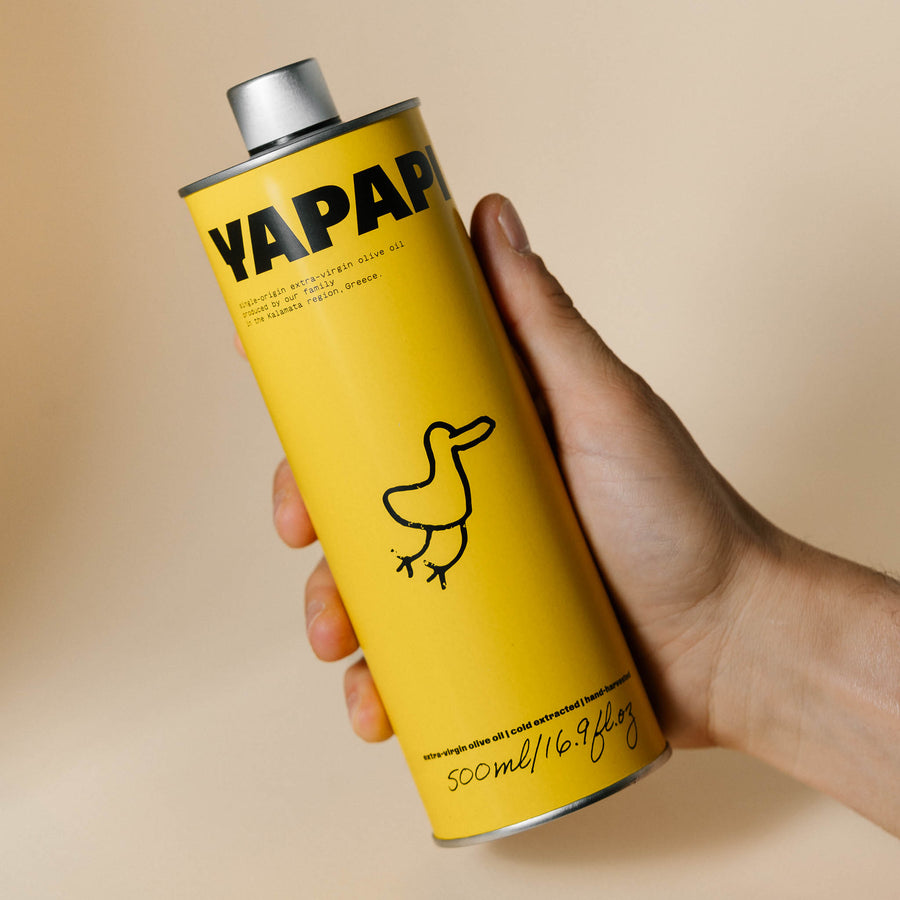
Harvest and lab results
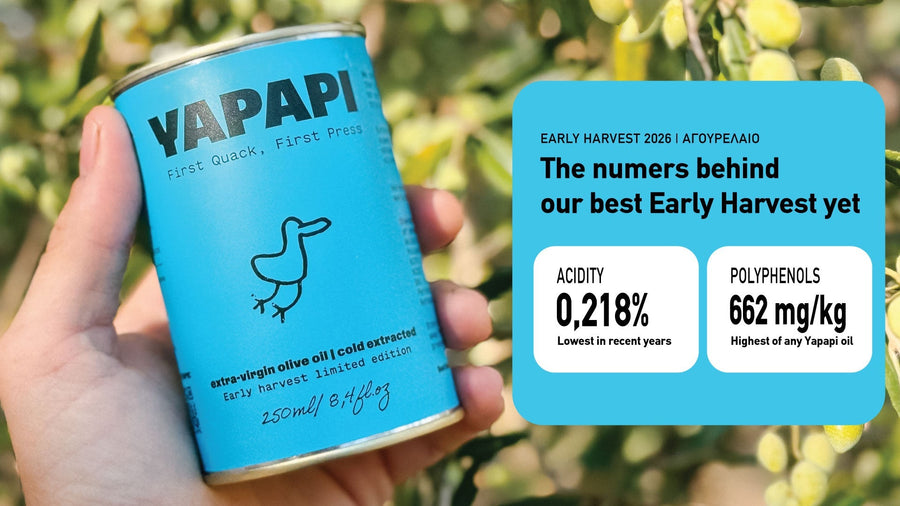
Lower acidity means healthier, fresher fruit. More polyphenols mean more bitterness, more pepper and more antioxidants.
| Harvest | Oil | Acidity | Polyphenols |
|---|---|---|---|
| Oct 2026 · NEW | Early Harvest | 0.218% | 662 mg/kg |
| 2025/26 | Classic | 0.361% | 412 mg/kg |
| 2025/26 | Early Harvest | 0.29% | 600 mg/kg |
| 2024/25 | Classic | 0.221% | 467 mg/kg |
| 2023/24 | Classic | 0.227% | 338 mg/kg |
EU limit for extra virgin olive oil: acidity ≤ 0.8%.
Latest · October 26, 2026
The numbers behind this year's Early Harvest
We picked earlier than ever this year. Here's what the lab found, and what those two numbers really mean.

Taste it like a judge
Warm it
Pour a spoonful into a small glass. Cup it in your hand and cover the top for a minute.
Smell it
Uncover and breathe in. Fresh oil smells green: cut grass, tomato leaf, green apple.
Slurp it
Sip a little and draw in air through your teeth so the oil spreads across your tongue.
Feel the pepper
Bitterness on the tongue, a tickle in the throat. That cough means polyphenols.
Recipes
Cook with it
Simple Greek dishes where the olive oil does the work.
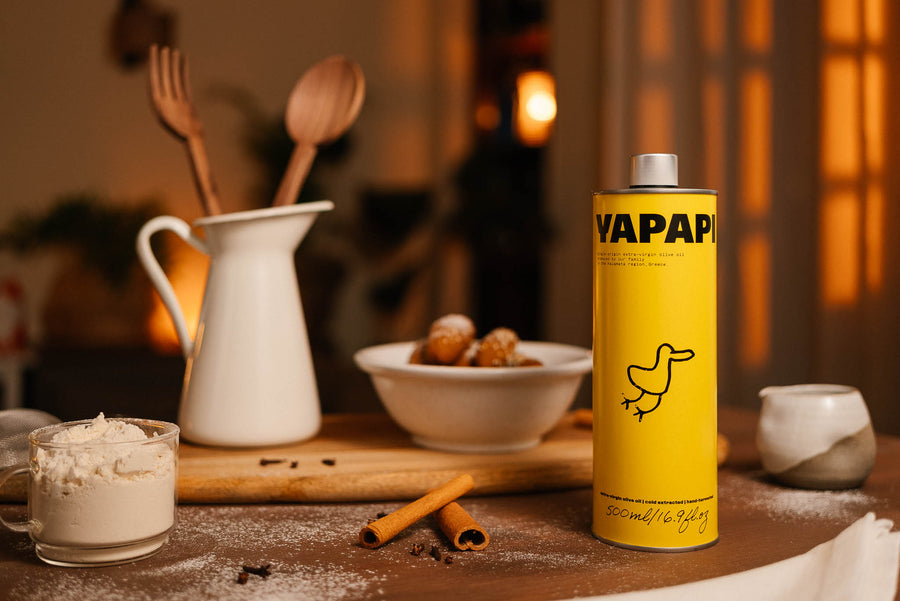
Baking & sweets
Koulourakia portokaliou
Crunchy Greek orange cookies made with olive oil instead of butter. Cinnamon, clove and a lot of orange.
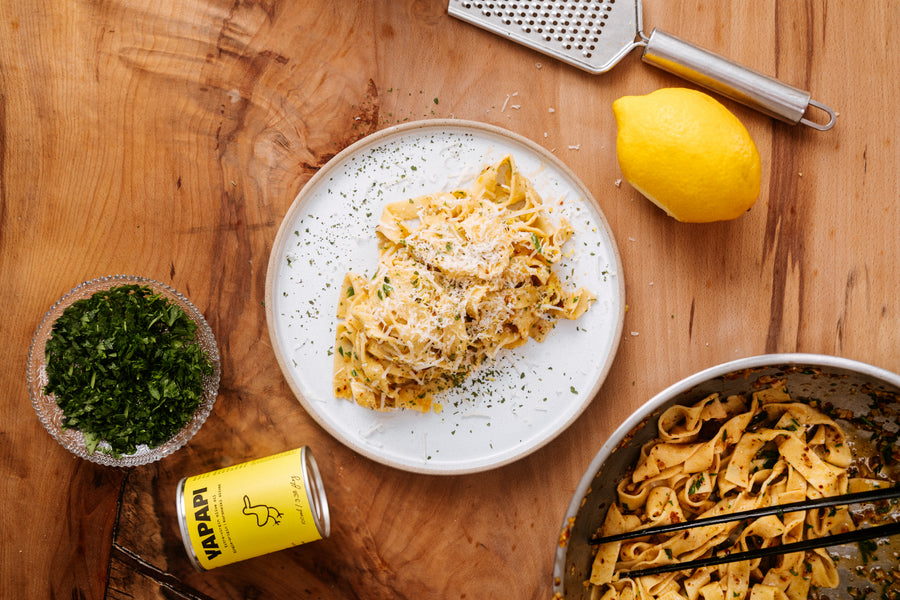
Pasta
Handmade Sourdough Pasta
Fresh egg pasta fermented with sourdough starter, rolled by hand and tossed in garlic, chilli and olive oil. A recipe...
Salads
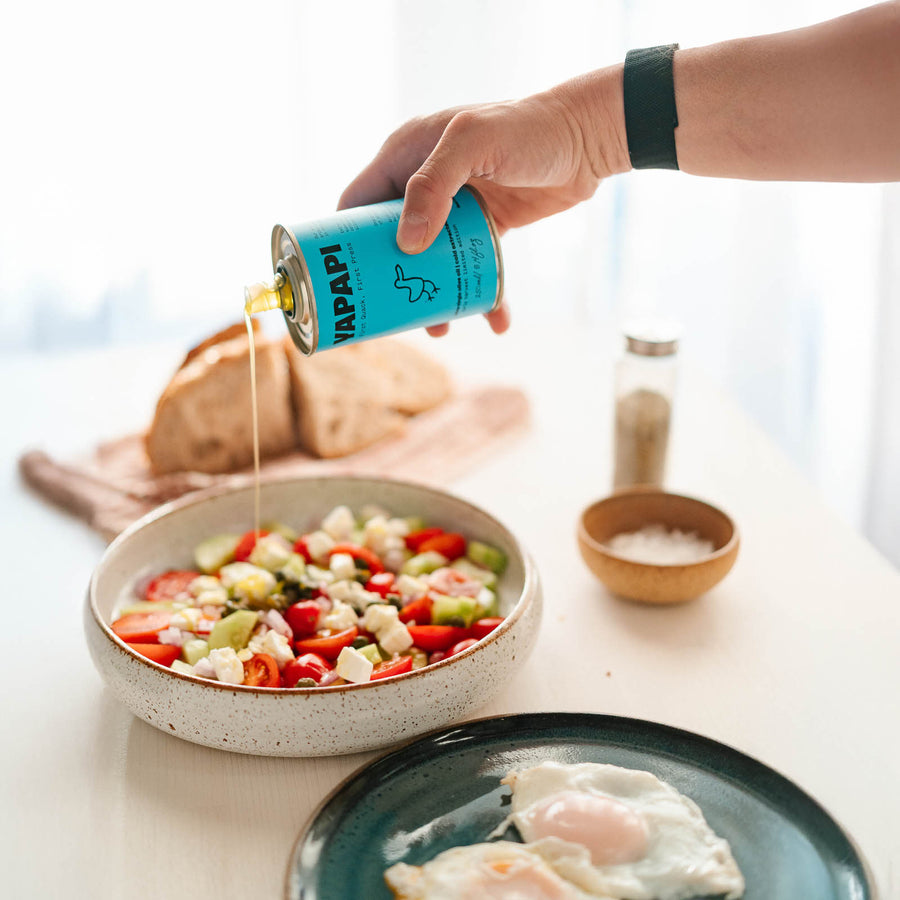
Horiatiki (Greek salad)
The real Greek village salad: ripe tomatoes, cucumber, onion, olives and a slab of feta, dressed with oregano and plenty...
Guides and stories
October 26, 2026
The numbers behind this year’s Early Harvest
We picked earlier than ever this year. Here’s what the lab found, and what those two numbers really mean.
Read more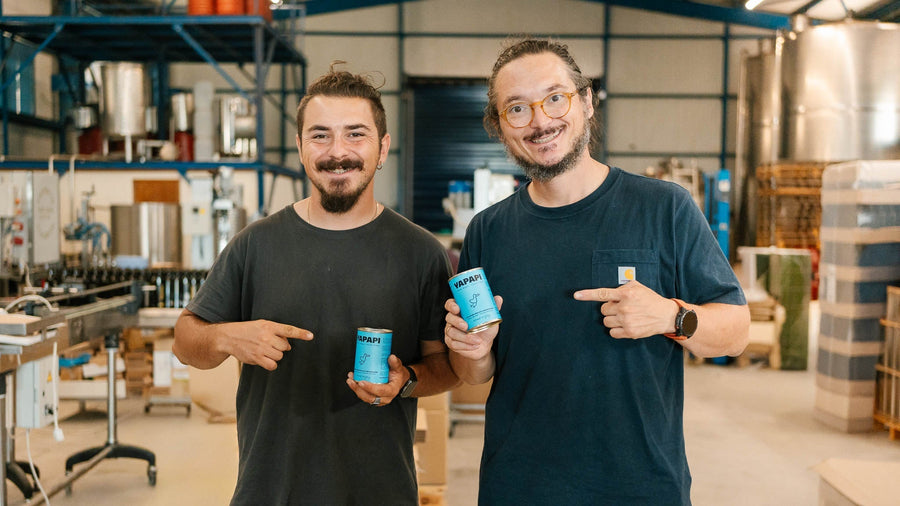
October 15, 2026
🇦🇹 The freshest olive oil of your life is waiting for you in Vienna
Just eight days off the press, our new-harvest olive oil is coming to Genusswelten in Vienna. Come taste it, and join Angelos...
Read more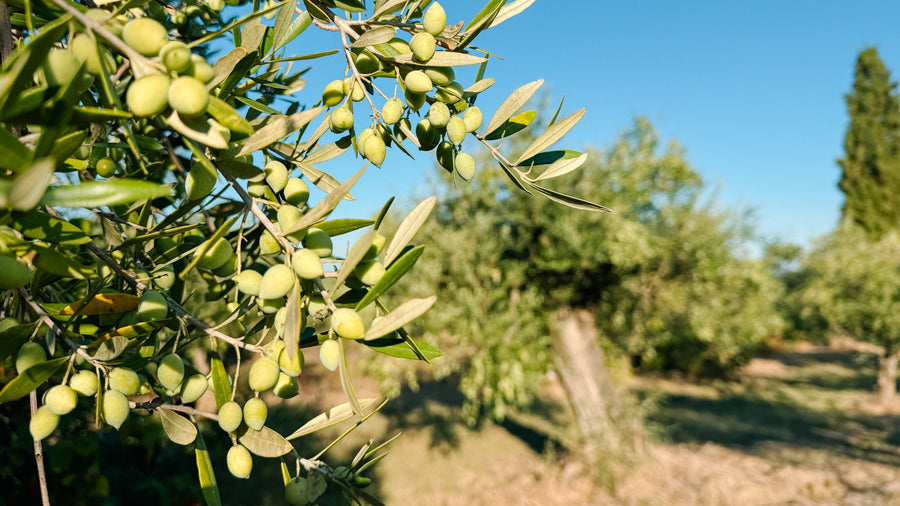
October 1, 2026
We're Starting Earlier Than Ever: Our New Harvest Begins October 5th
This year we're starting our harvest on October 5th, earlier than ever before. Here's why we're picking the olives green, what it...
Read moreReady to taste the difference?
The 2026 Early Harvest is bottled and ready to ship.